
Lead Single
Televizor
A darkly comic prophecy about media manipulation. Written in the 1990s about television. Even more relevant now.
Coming soon
A darkly comic prophecy about media manipulation. Written in the 1990s about television. Even more relevant now.
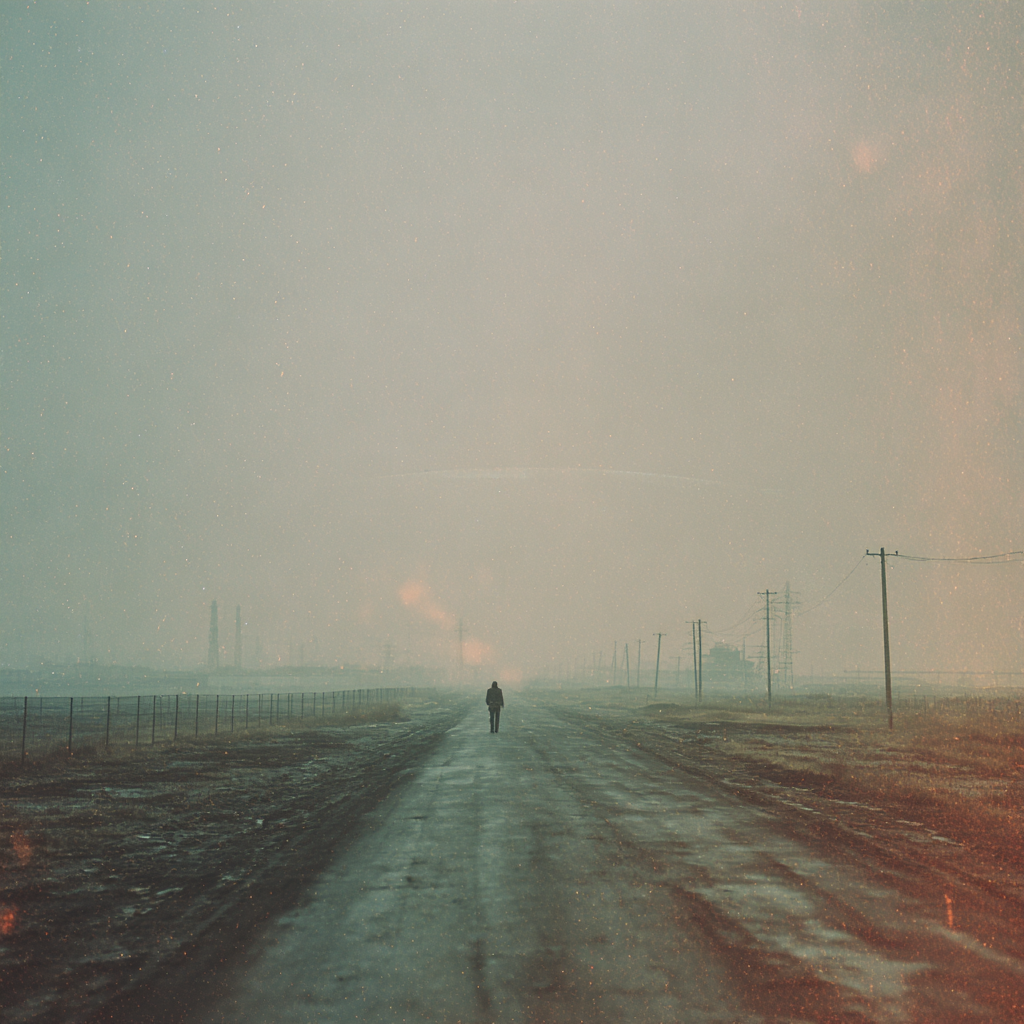
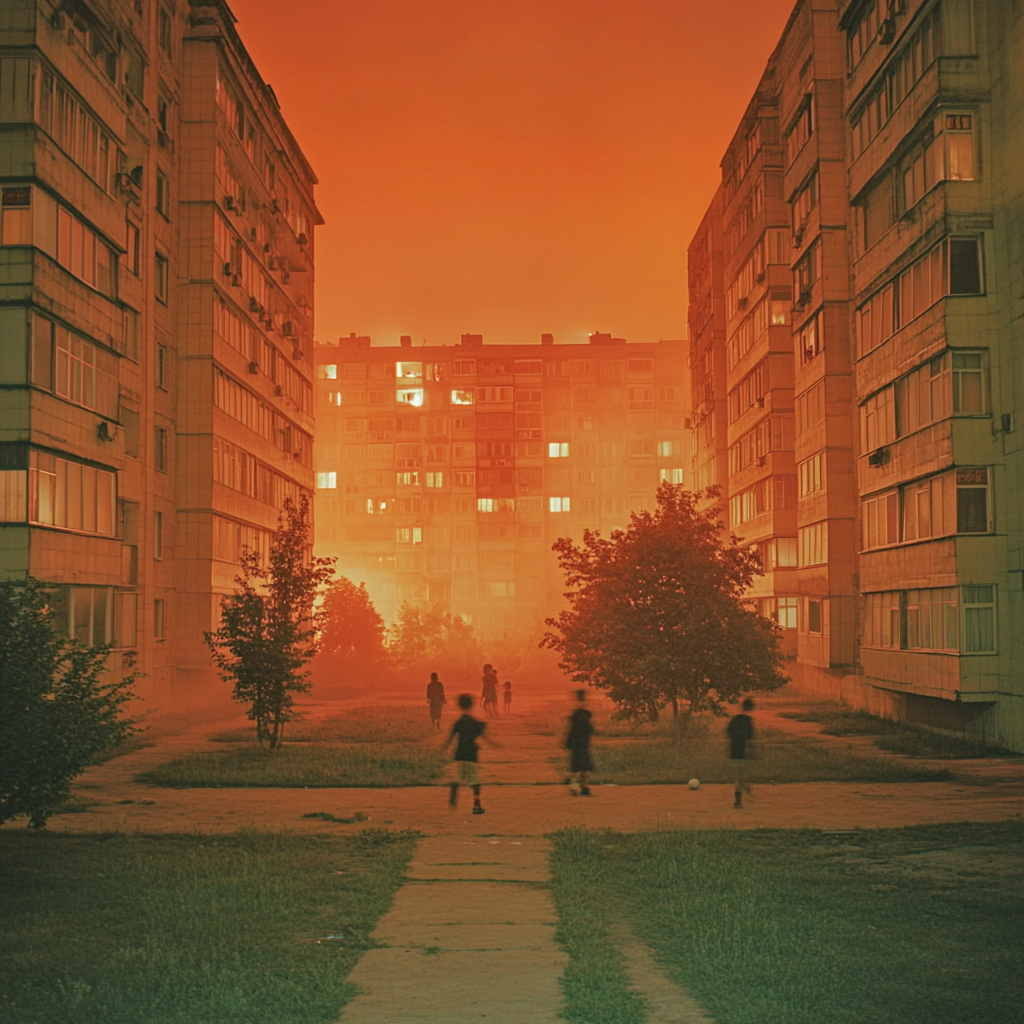
Red sky over the steelworks. Longing for home and for her. The most geographically rooted piece.

A father who couldn't love properly. Not a poem about a bad man — written by someone who understands weakness from the inside.
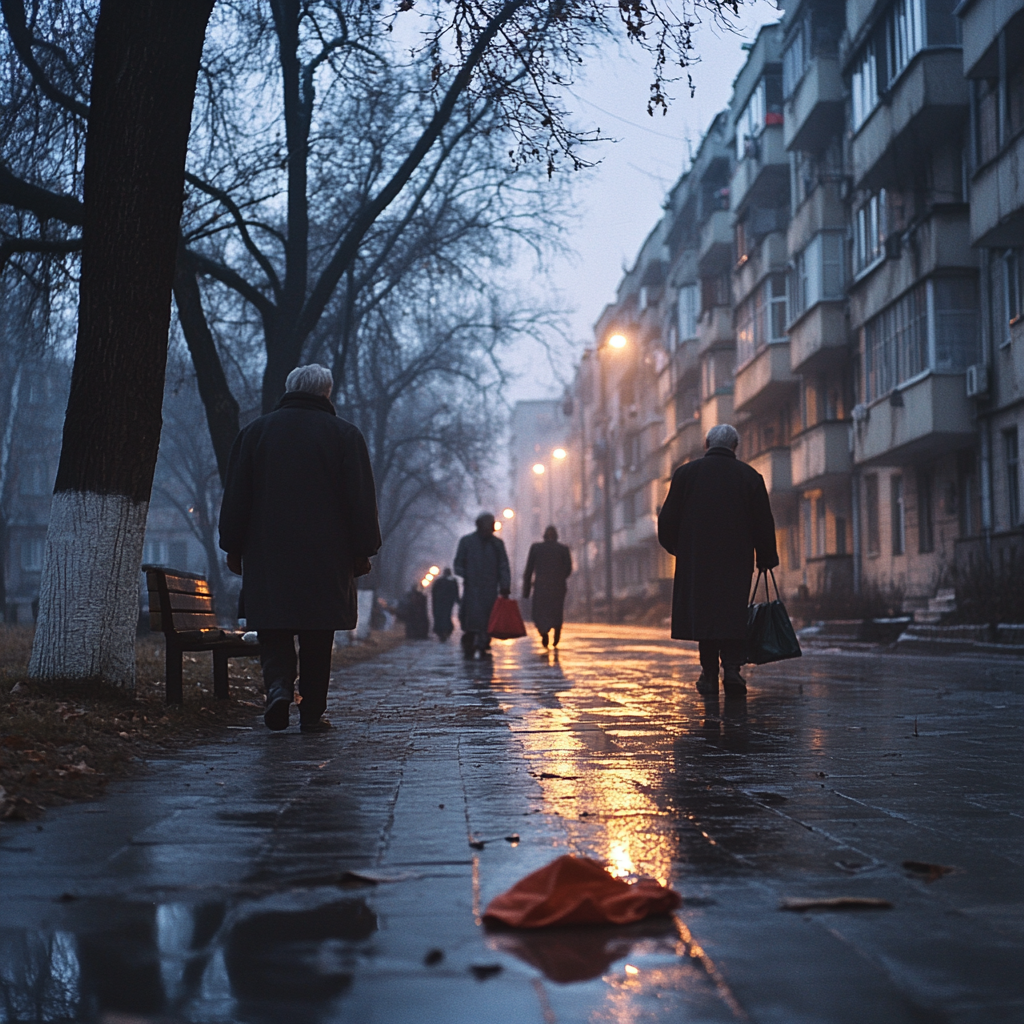
This city has no children of its own. Contemporary sevdah — almost happy vibes masking deep grief.
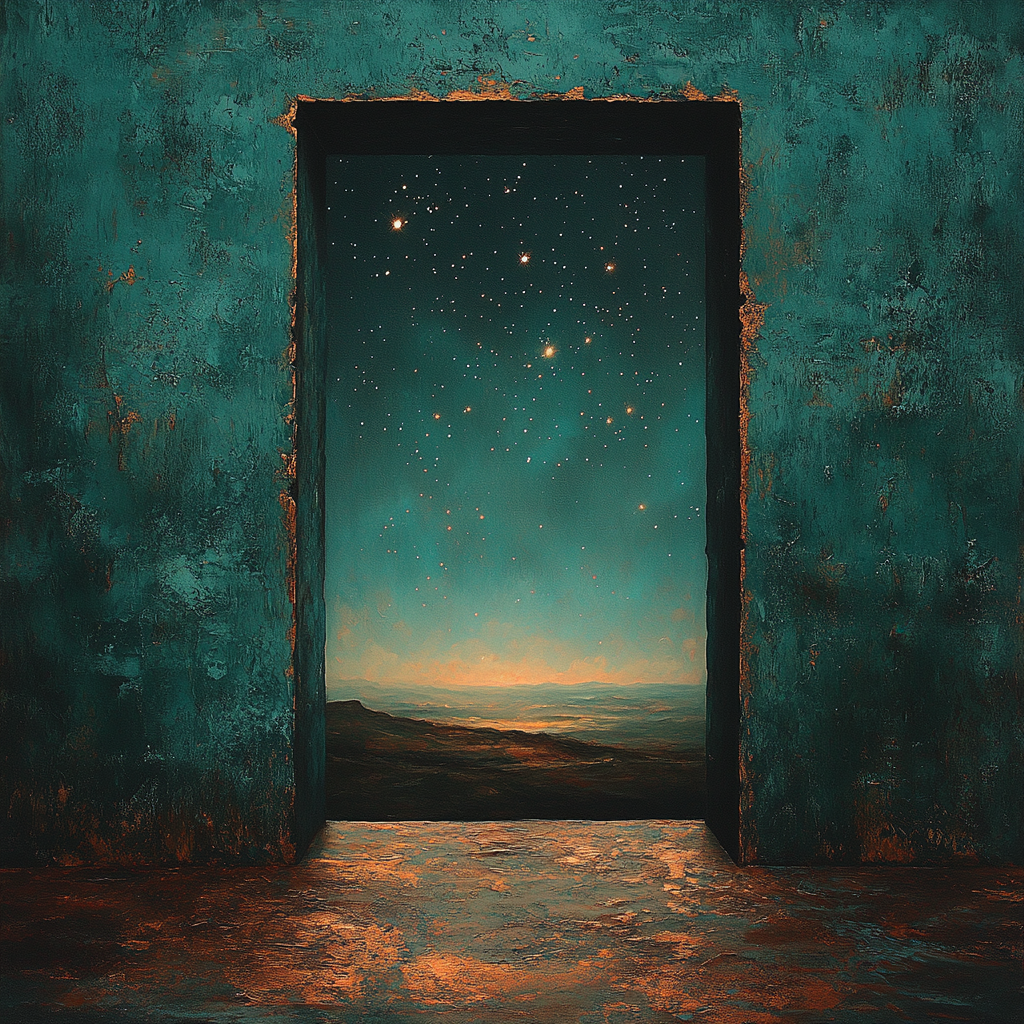
The awakening. After all the loss, the anger, the searching — acceptance. The poem that completes the arc.
These words exist alongside the songs for those who don't speak the language they were written in. They are not what the songs say. They are what the songs mean.
Every day my life begins
with the push of a button on the TV set —
this magic box full of happenings,
dreams I'll never have, and lives I'll never get.
I don't need to think, I just tune in,
give myself over to the star of my favorite show.
Why bother with my own pathetic life
when the screen makes everything glow?
The boring channels I skip with grace —
I've got the remote, I run this place.
Only sometimes a doubt crawls in, uninvited:
am I the viewer — or the one being guided?
Every day of mine comes to an end
with the push of a button on the TV set.
The screen goes dark, the fantasy is done —
just me, broken inside, with nothing left to get.
How foolish words become
how few, how small
when everything you need to say
won't fit inside them all
A mountain rises in my chest
pressing, opening me wide
a newborn river rushes through —
clear water wakes the fire inside
The wind sweeps old scents clear
through darkness, trembles a new light
new constellations start to glow
I hear another world tonight
Behind each circle stands a larger one
new questions, signs we've never known
the body ages step by step —
we end the road as young old men
This city is no longer what it was
this city has no children of its own
mute shadows walk the sidewalks of despair
behind the walls of solitude, sighs dissolve in air
Old man, don't be afraid of dying —
I watched you leave
long before your body knew
Old man, do you know
what it takes to carry love
no one is willing to receive
It should have been me beside you
and it was me, thinking of you
on that day
but a thought is not a hand to hold
and nothing remained
of the dream
There are places you leave and never stop leaving.
The songs are sung in a language that has four names depending on who you ask and which border you're standing behind. It doesn't matter. It is the language these poems were born in. It is the only language they know how to be true in.
And exile has no mother tongue anyway.
Loss, fury, tenderness, the long work of rebuilding a self from borrowed materials — these translate without words.
The poems are specific — a red sky over a steel town, a father who couldn't love properly, a city emptied of its children. But the voice that carries them belongs to no one in particular.
It belongs to everyone who has ever been far from home and unable to explain why that distance never closes.
These songs waited thirty years. You can give them four minutes.
Eclectic Nomad is not a musician. It is not a band. It is what happens when poems written in wartime refuse to die — when words scribbled in notebooks during displacement find, decades later, the melodies they were always waiting for.
There is no face here. No origin story. No biography that flatters.
There is only the work — and the stubborn act of still making it.
Links will be active once Televizor is released.